Describe it
List the foods you remember, even when the description is brief.
AI meal tracker
Describe a meal, speak it, start with a photo or scan a packaged food. KnowsYou creates a reviewable meal record from an estimate or the matched product's nutrition facts.
Descriptions and photos are estimates—not measurements. Confirm that a barcode matched the right product.
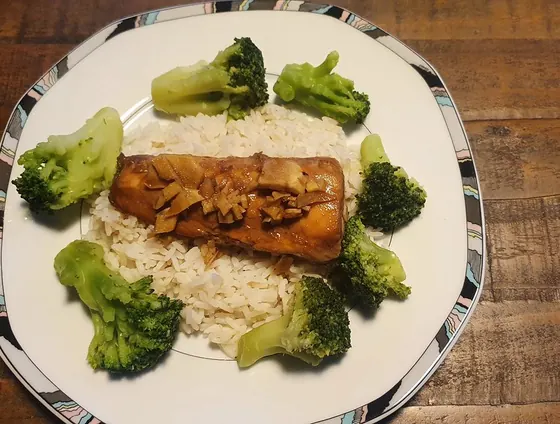
log this — the salmon was about 150 g
From the photo: teriyaki salmon (~150 g), white rice and broccoli — ~630 kcal · 39 g protein. Tell me if the rice portion looks off.
Log your way
A sentence can preserve the moment. Add more detail when a more useful estimate matters to you.
List the foods you remember, even when the description is brief.
Use voice when a spoken update is easier than typing.
How voice logging works →Start from likely foods and portions visible in an image.
Scan a packaged food to bring its matched nutrition facts into the conversation. Log an amount, compare products or ask how one fits a goal you set.
Say what you will eat to see its calories and nutrients before the meal. A plan counts only once you confirm you ate it.
Foods you eat often wait in the + menu with your own saved amounts. One tap logs them again.
What a photo can do
AI can use visible cues and your description to suggest likely foods and approximate portions. The result becomes a saved meal you can inspect and correct.
What a photo cannot reveal
A single image may not show exact weight, depth, hidden ingredients, cooking oil, sauce, brand, recipe or preparation method. Similar-looking meals can have different nutrition.
Image-based dietary assessment can reduce logging effort, but food recognition and portion estimation retain meaningful error. See the 2022 systematic review and 2021 portion study.
Corrections are part of the design
The first result is a draft, not a verdict. Correct the food, quantity or preparation details in conversation and check the updated record.
the rice was more like half a cup, and the glaze was way too sweet for me
Updated — dinner drops from ~630 to ~550 kcal. And noted: one star, not a repeat.
Food journaling
A food journal can help you notice patterns in what and when you eat. It is often one part of broader behavior-change programs, not a guarantee of weight loss or a benefit for everyone.
Honest gaps
KnowsYou reports what is in your journal. It cannot know whether an unlogged meal happened or whether one saved meal represents your complete day.
Do not use meal estimates to dose medication, manage a medical condition or change treatment. If calorie or weight tracking feels distressing or compulsive, pause it and seek qualified support. See the safety boundaries.
Describe it in one sentence or scan a packaged food, then review the record and add the details that matter to you.